
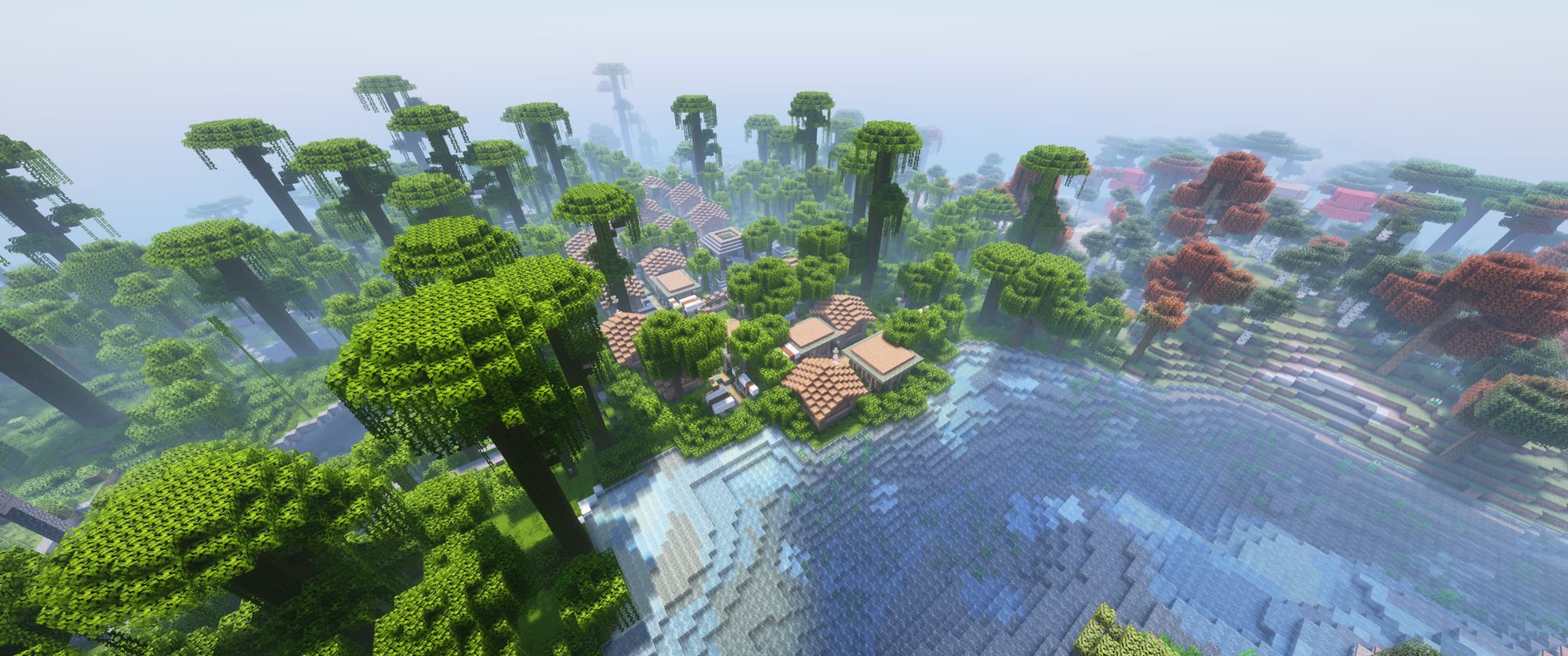
Setting up a Minecraft Server for Kids: A Nostalgic Look Back
29/10/2026
In 2019 I wrote an article „Playing with kids - does it make sense?”. The children were young at the time and having their own Minecraft server was just an experiment for them. Nearly seven years have passed since then, the children are now grown up, and the servers still run.
Let's look back: what was it for, what worked out and what's left of it.
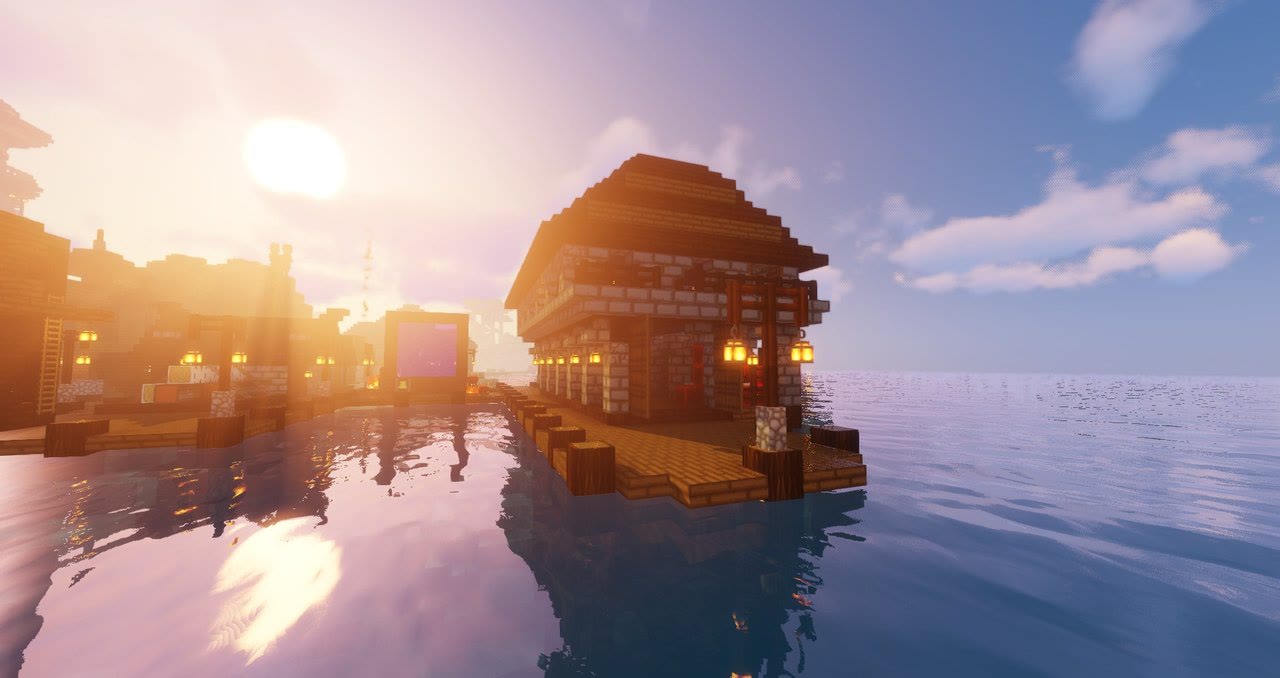
How It All Started
My children have always seen me working on a computer. But they didn't have free access to it. We watched movies together, browsed the web together, and even started gaming together.
I was already administering game servers for my adult friends at that time. My older son asked me to set up a server for his class. The news spread quickly through the school, and the server filled up in just a few days.
What I learned from the chat
At first I played together with the kids and watched how it looked from their perspective. Then I got a chat preview on my phone. Very quickly it became clear what the relationships in the class were like: who was teasing whom, who was the troublemaker, and who was the victim.
There were also typical problems. Someone killed someone else in the game, someone stole a chest from someone, someone destroyed someone's house. On a public server, no one would have noticed. On ours, we could do something about it.
Grown-ups as caretakers, not jailers
My friends from the twin server for adults came to my aid, where the average age was around 35 at the time. Many of them were parents, just like me. I proposed an experiment: let's introduce children to netiquette and the rules of good manners online.
- the children always played with an adult
- when someone did something wrong, an adult would explain instead of banning outright,
- when the kids were hostile towards each other or didn't get along well, we helped them communicate and resolve their issues,
- building together gave a reason to collaborate instead of competing.
It worked. The hostility between the bullies and their victims started to fade away. By playing together, they became partners rather than competitors.
Why have your own server instead of using a public one
A public server means strangers, unknown administrators, and a chat that no one monitors. Often there are ads and paid advantages as well. A private server gives parents things you can't buy:
- it's clear who is playing because the server attracts friends, family, and acquaintances of acquaintances,
- the rules are written down and the same for everyone, including on Discord,
- every change in the world is saved, so you can restore a destroyed house and find the culprit,
- an administrator is someone the children know, not an anonymous username,
- the server is running at home, so the chat and game history stay with us, not with some foreign company.
A safe environment doesn't mean there are no conflicts. It means that when a conflict arises, there is an adult nearby to help resolve it. The child learns about potential online challenges before they encounter them on their own.
What Remains After Years
The kids have grown up and no longer need an adult by their side in every game session. The servers remain, but the audience has changed. It's still a place for family and friends where no one is anonymous.
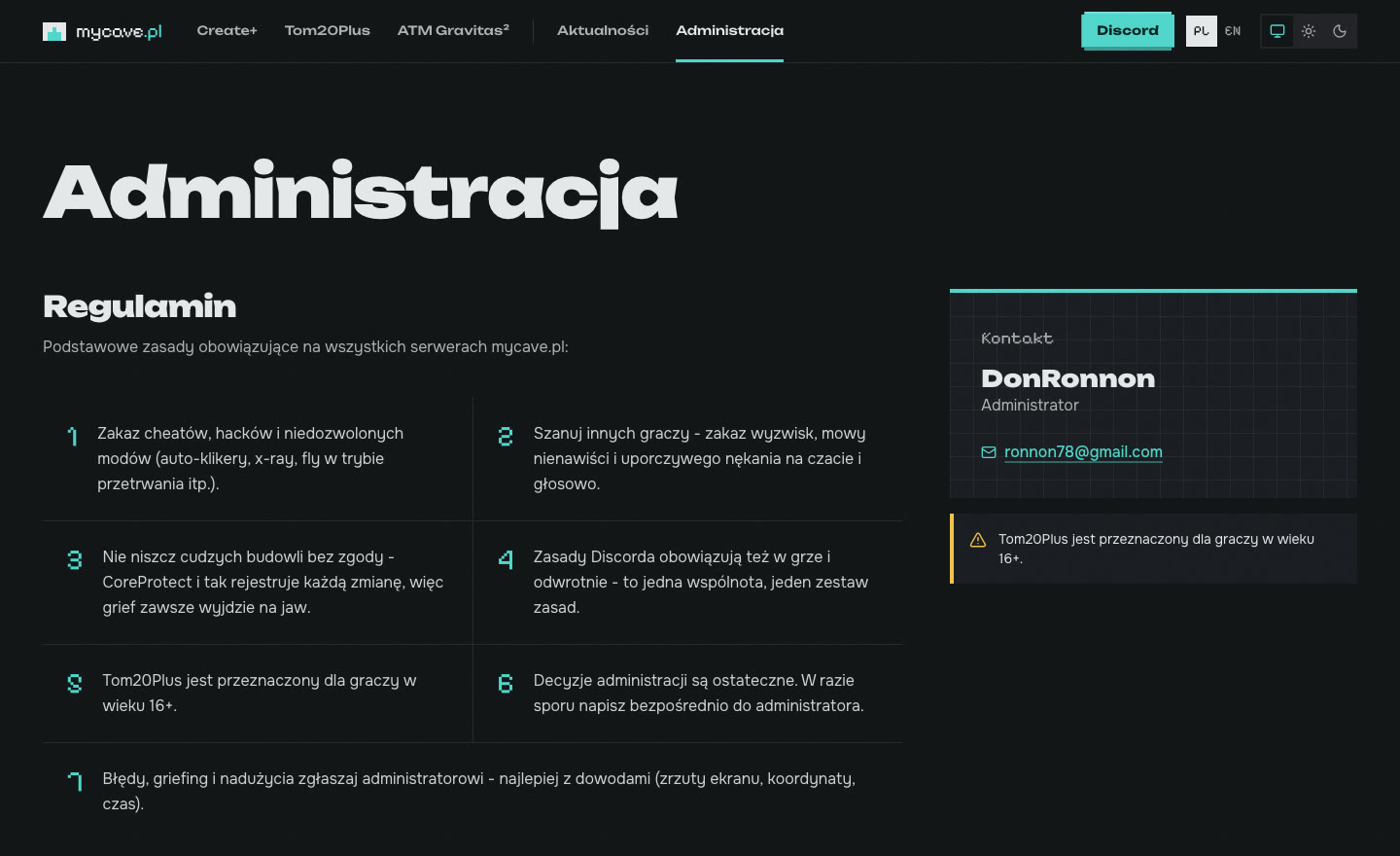
- one world, Tom20Plus, is now for players aged 16+ today,
- other worlds are harder now than they used to be, with mod packs where it takes weeks to reach the goal,
- instead of a chat preview on the phone, there's a shared Discord channel linked to the game,
- the servers have their own page with rules, maps, and instructions on how to join.
I wrote separately about how the website and servers work today in the project mycave.pl: Minecraft servers and their portal.
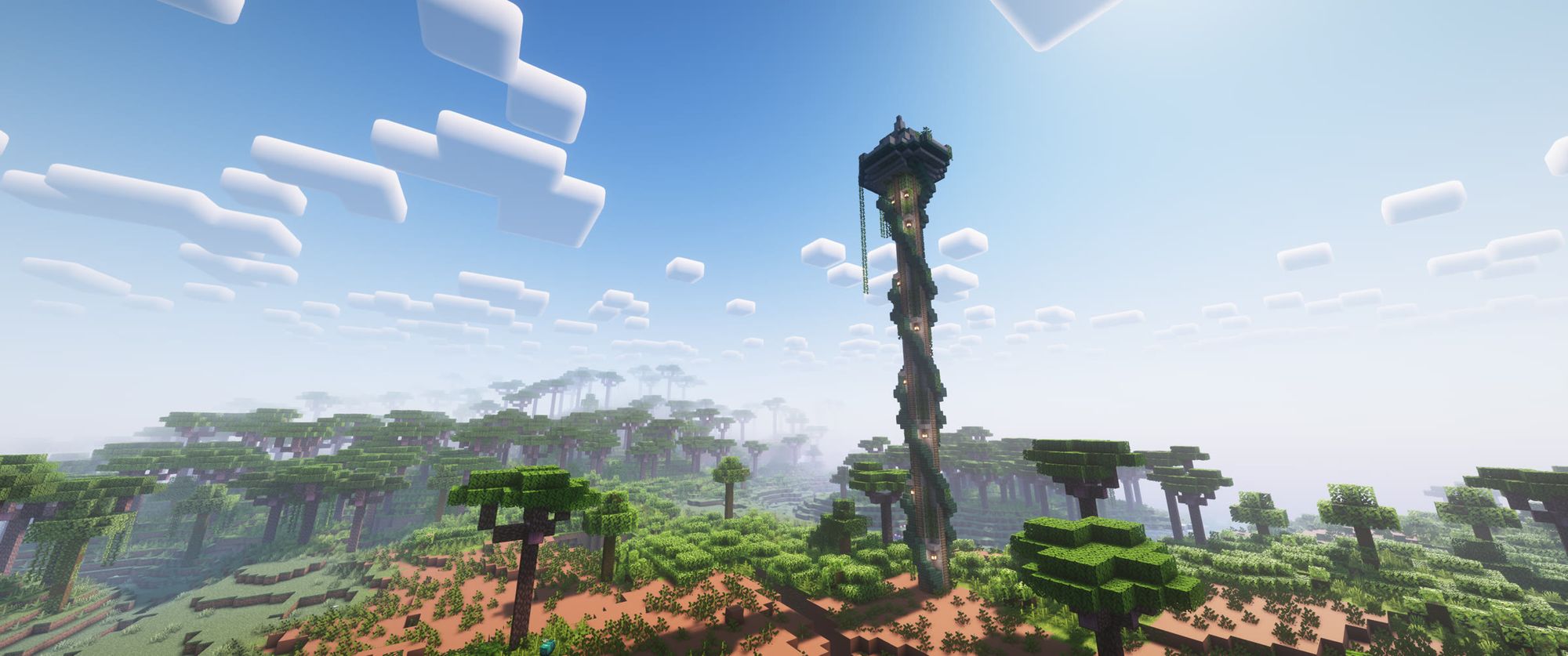
They'll remember that I played with them when they were little, just like I remember playing Montezuma and River Raid on the Atari with my dad.
- Aleksander Kowal
Did It Make Sense? A Reflection After Years
After seven years, I still answer the same way as back then: yes. Not because Minecraft teaches programming or logical thinking, although it does to some extent. But because for several years I was present in a place that was important to children.
If you're thinking along similar lines, here are a few tips based on my experience:
- start by playing together with the child and only then leave them alone
- write the rules before the first conflict, not after it,
- invite other adults to help out too because one parent can't supervise an entire class on their own
- instead of punishing, at least at the beginning,
- remember the limits and moderation, as the server won't replace a playground.